News
New TWOBLOK range: polystyrene is given a new lease of life
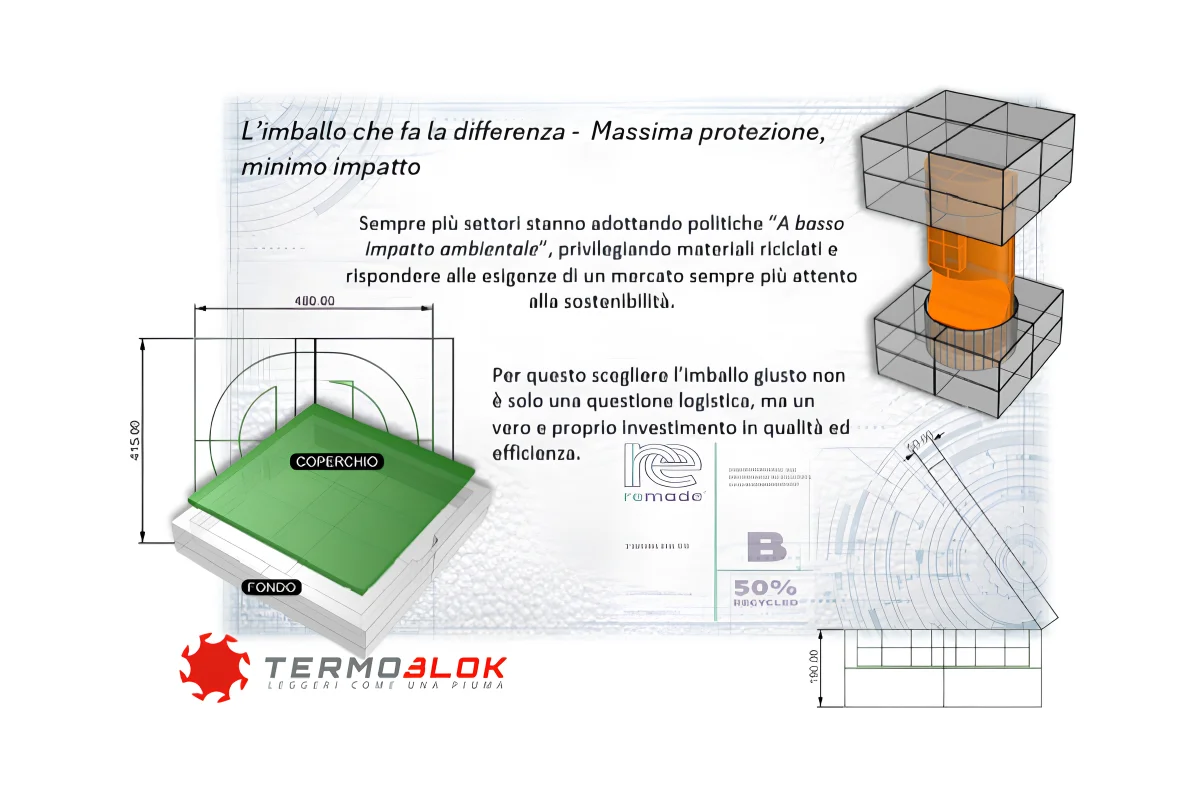
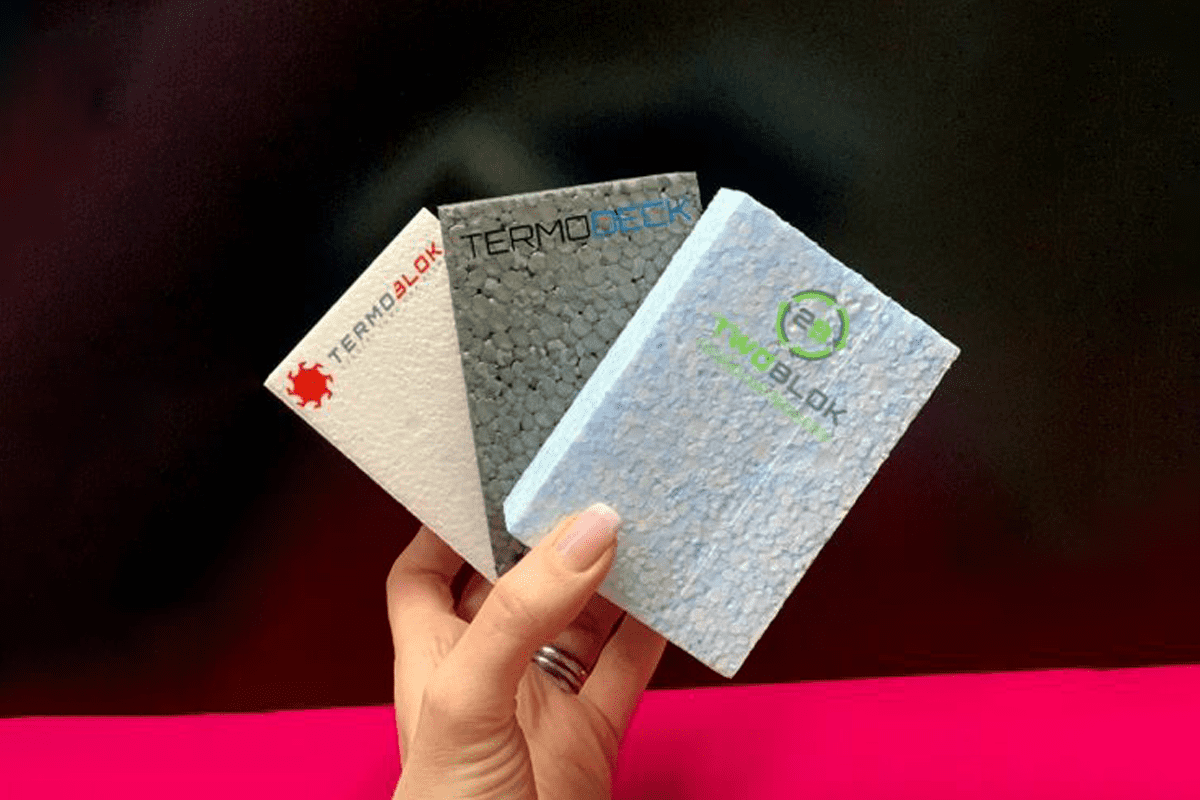
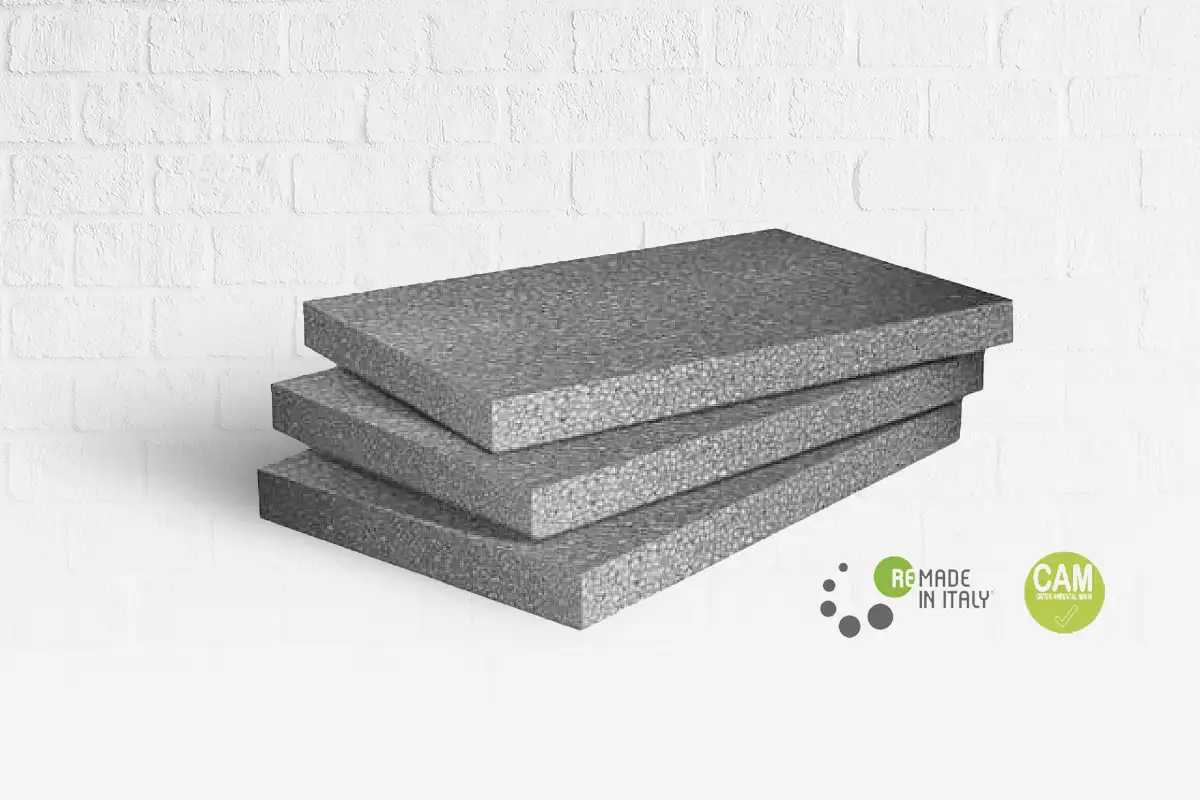
We are pleased to announce that Termoblok, which has always been committed to environmental issues, is expanding its production with a new range of polystyrene containing ≥ 25% recycled material. We therefore present the new TWOBLOK packaging range, compliant with the Minimum Environmental Criteria (CAM), an eco-friendly, low-impact solution, originally derived from renewable sources and designed to support decarbonisation.
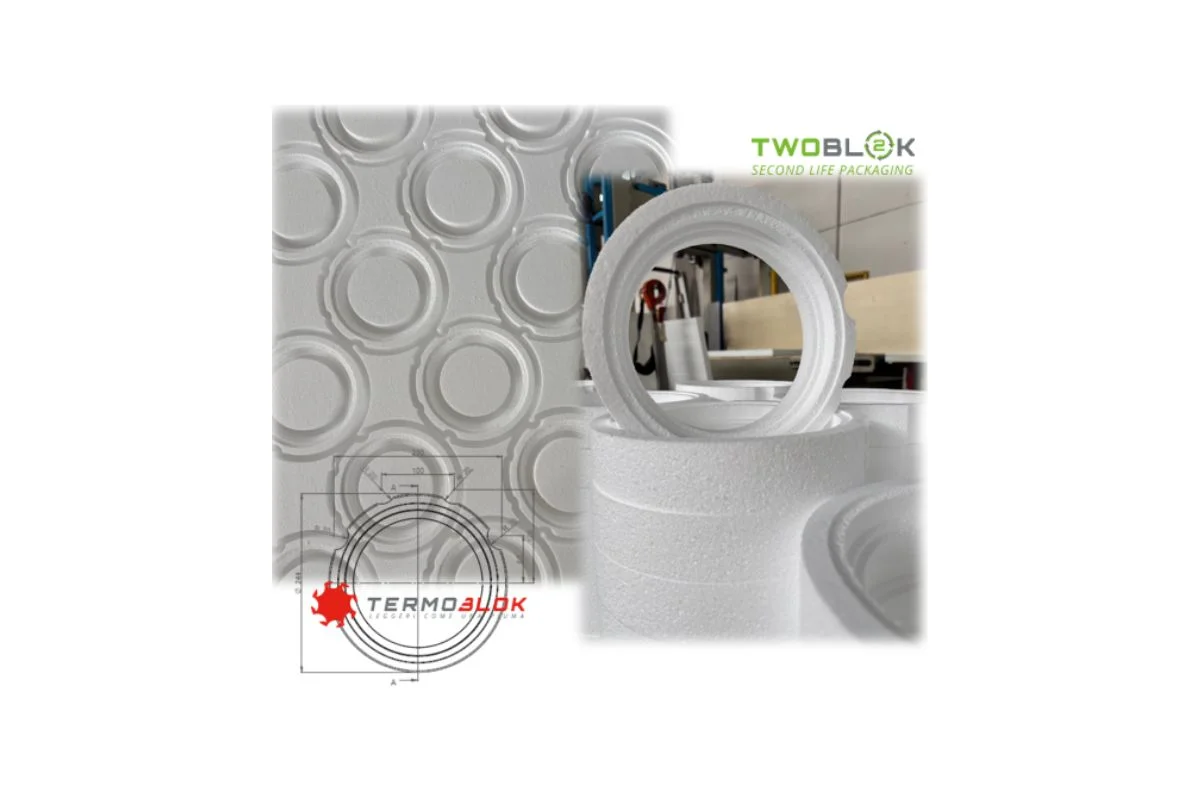
TWOBLOK replaces traditional polystyrene while maintaining the same technical properties, the same level of quality and the same outstanding versatility as conventional solutions, while also ensuring a reduction in CO2 emissions throughout its entire life cycle.
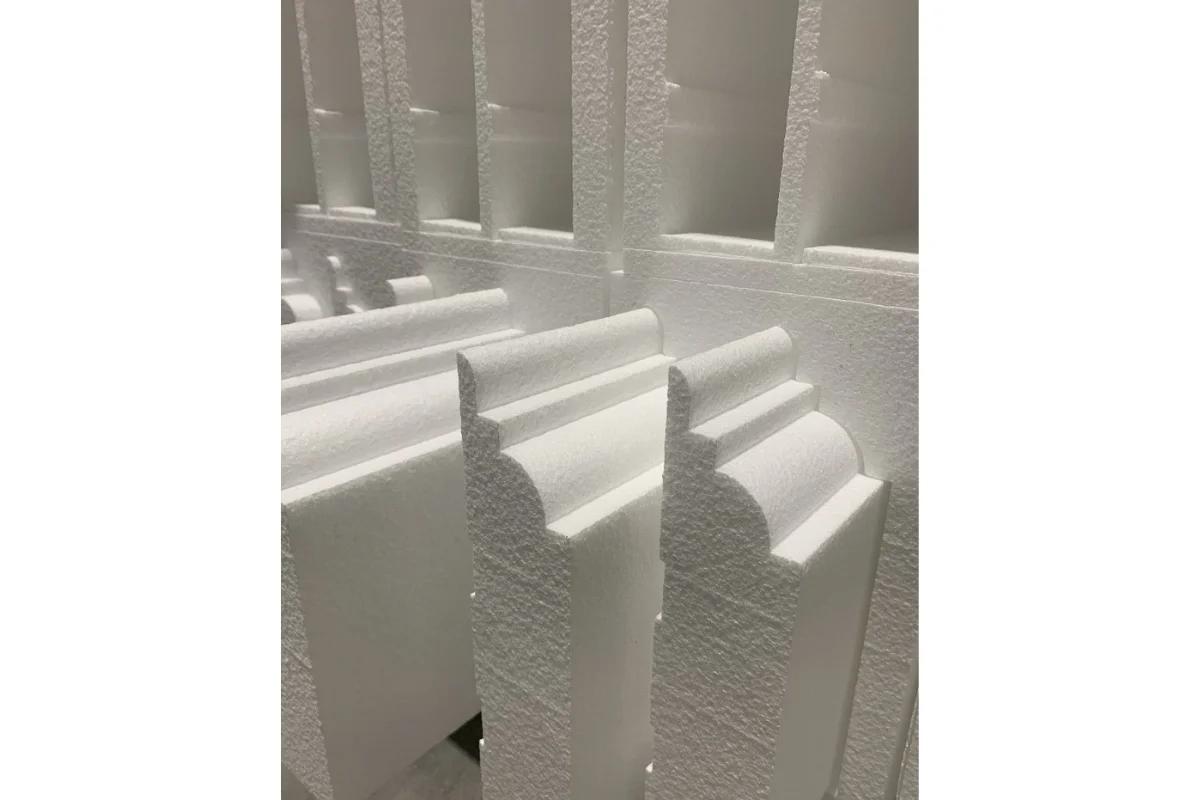
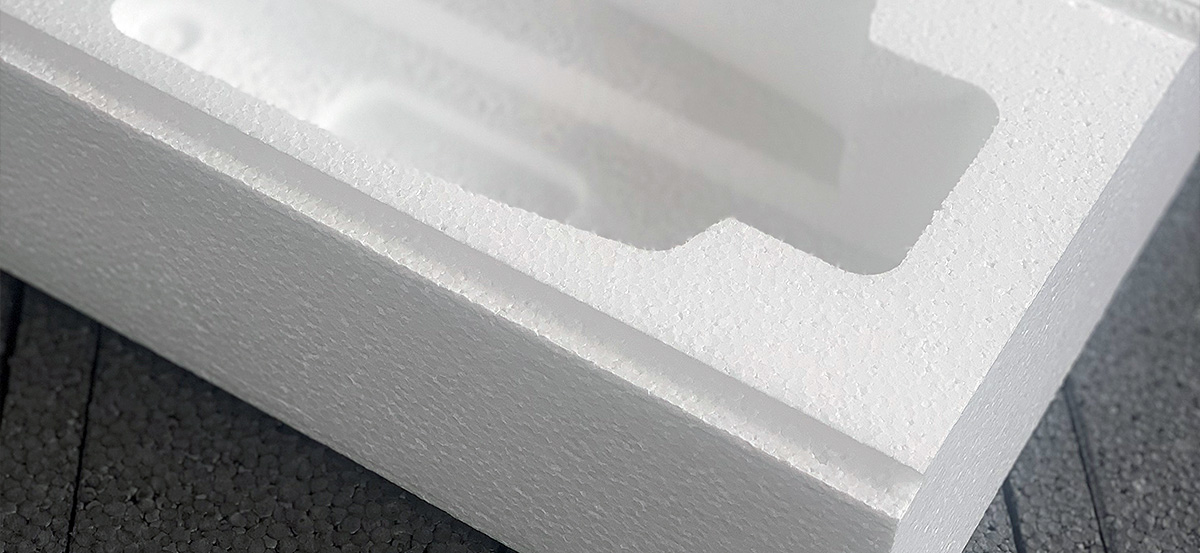
We can manufacture any type of packaging that is both strong and lightweight, ensuring that every product is carefully protected while respecting the environment. Once used, the materials can be disposed of through separate plastic waste collection, recovered and reintroduced into production cycles.
What does compliance with the Minimum Environmental Criteria mean?
CAM is an acronym used to identify products characterised by a low environmental impact and manufactured using a proportion of recycled raw material. These products ensure an above-average level of environmental sustainability.
Short- and long-term objectives
Climate change and environmental degradation pose a major threat to Europe and the world. To address these challenges, the European Green Deal aims to transform the EU into a modern, resource-efficient and competitive economy, ensuring that by 2050 there will be no net emissions of greenhouse gases.
The Commission has proposed new EU-wide rules on packaging to tackle the growing amount of waste. These rules will make reusable options available to consumers and provide clear labelling to support proper recycling.
A circular economy can be achieved by implementing measures to improve resource efficiency and prevent or reduce the negative impact associated with waste generation and management, through recycling as well as the reuse of production and processing waste, enabling its recovery and continuous innovation.
Our commitment to protecting and respecting the environment has led us to develop solutions and strategies aimed at promoting sustainable mobility and reducing consumption and waste. TWOBLOK was created as a result of this objective.
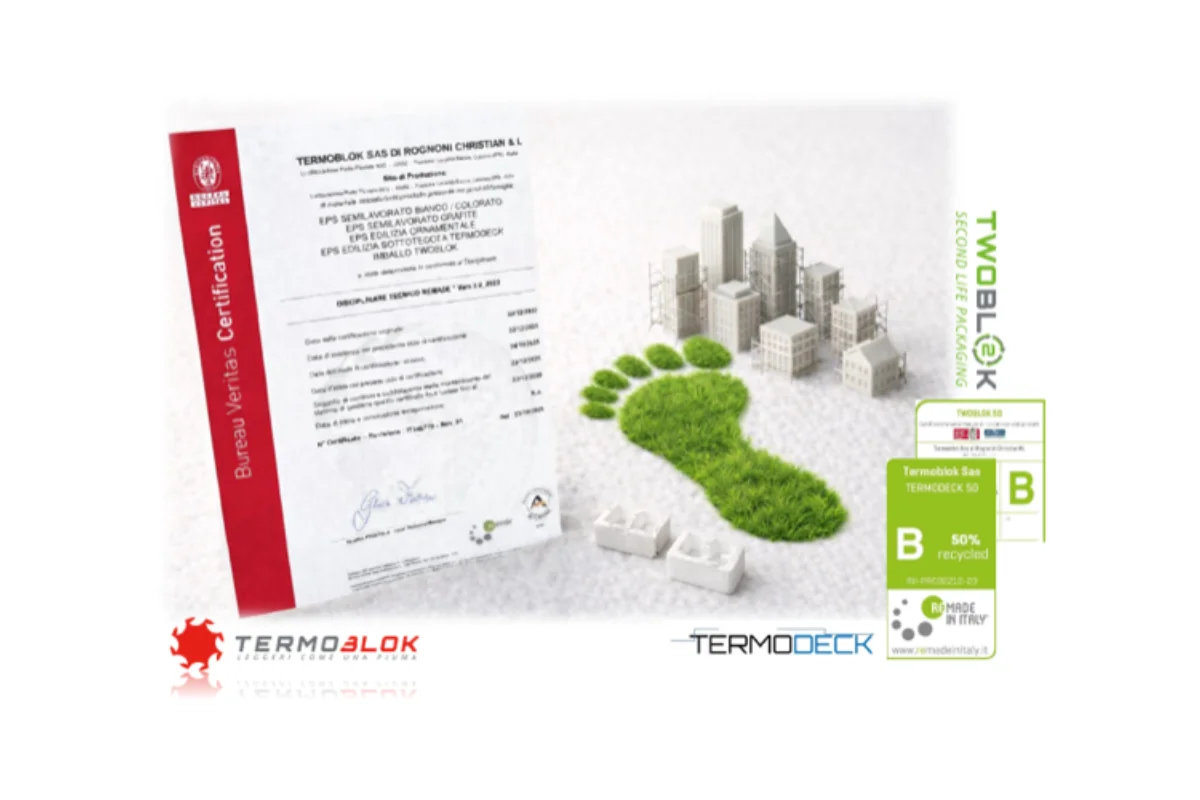
TWOBLOK is the new material formula that enables the production and distribution of insulation and packaging made from renewable raw materials derived from low-CO2 by-products. IT IS CERTIFIED BY: RE-MADE IN ITALY CERTIFIED PRODUCT – CERTIFICATE NO. – REVISION: IT319771 – REV.00
TWOBLOK products have obtained Re-Made in Italy certification. This accredited certification verifies the content of recycled materials and by-products in a material or product and represents a traceability scheme compliant with the Public Procurement Code and CAM requirements.
Products certified by Re-Made in Italy demonstrate the manufacturer's highest level of commitment to managing materials derived from waste or by-products and fully qualify as circular economy products: reliable, traceable and innovative.
The Re-Made in Italy label communicates the use of recycled material in certified products and the environmental impacts avoided.
It also highlights the environmental benefits resulting from the use of recycled material (derived from waste or production scraps) instead of virgin material. The figures relating to the reduction in energy consumption and avoided CO2 emissions are not subject to third-party verification, but are calculated directly by the experts of the ReMade in Italy Association. They refer exclusively to the components of the material/product (good or manufactured item) made from recycled material and relate solely to the material itself, excluding the production process.
Our objectives are to meet the needs of customers across the various sectors in which we operate. The use of TWOBLOK enables them to expand their commercial opportunities, as it is suitable for markets and contexts where restrictions apply to the use of plastics or where incentives are available for the use of recycled materials and sustainable packaging.
Published on 05 Jan 2023